Pre-requisites for Paint
1. Surface Preparation
- Clean the Surface: Remove dirt, grease, and dust using mild soap and water or a surface cleaner. Let it dry completely.
- Repair Imperfections: Fill cracks, holes, or dents with spackling compound or wood filler and sand them smooth.
- Remove Old Paint: Scrape off any peeling or flaking paint. Sand glossy surfaces to create a smooth, even surface for the new paint to adhere to.
- Prime the Surface: Use a primer for bare wood, metal, or walls with stains or dark colors to improve adhesion and color uniformity.
2. Choose the Right Environment
- Ventilation: Ensure proper airflow if painting indoors to help the paint dry and reduce fumes.
- Temperature: Ensure the room or outdoor temperature is within the recommended range for the paint type (usually 50–85°F or 10–30°C).
- Humidity: Avoid painting on very humid days, as moisture can affect drying and adhesion.
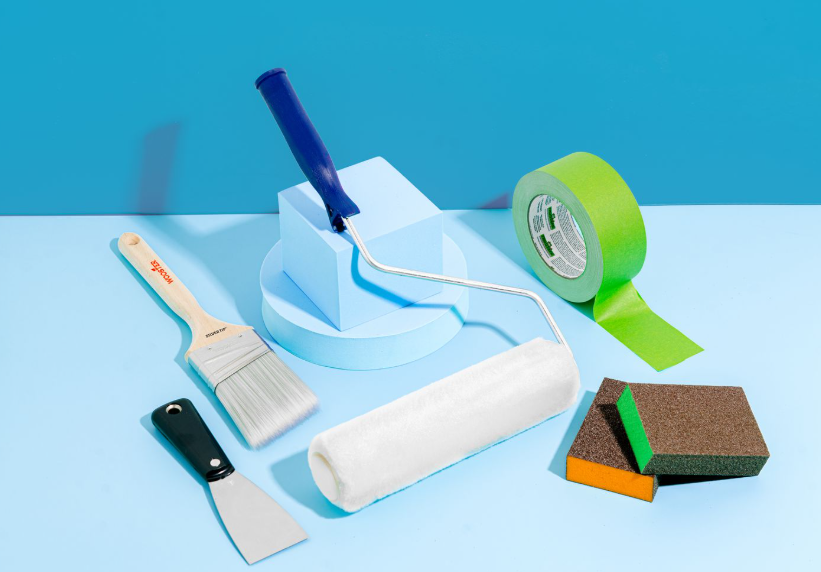
3. Gather Tools and Supplies
- Painting Tools:
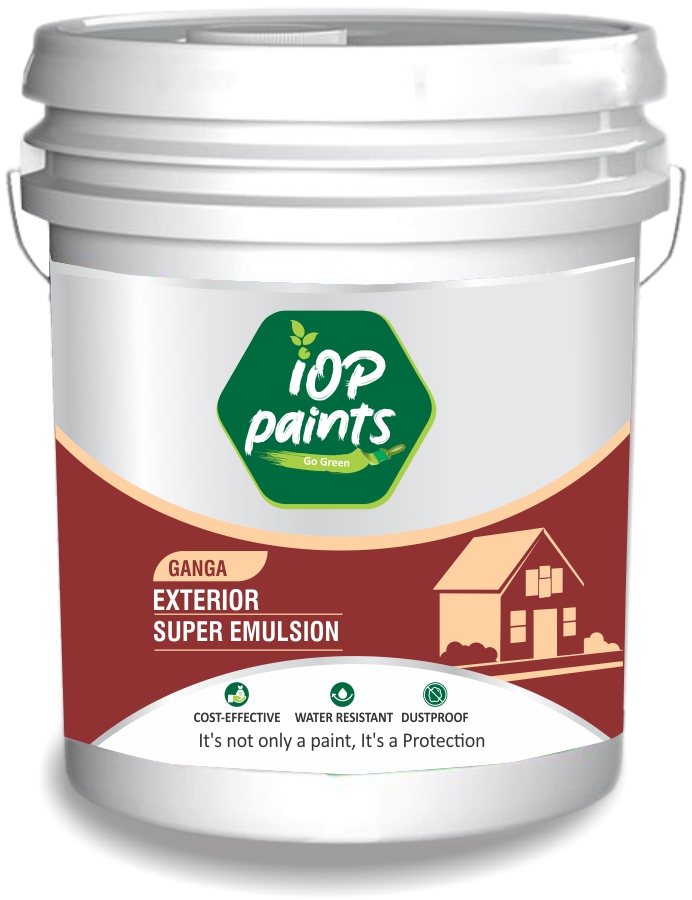
- Paint (and primer, if needed)
- Paintbrushes (for corners and edges)
- Rollers (for larger areas)
- Paint tray
- Painter’s tape (for clean edges)
- Drop cloths or plastic sheeting (to protect floors and furniture)
- Sandpaper or sanding block
- Additional Items:
- Ladder or step stool (for high areas)
- Stir sticks (to mix the paint)
- Rags or paper towels (for cleaning up spills)
4. Protect the Area
- Cover Furniture and Floors: Use drop cloths, plastic sheets, or newspapers to protect against paint drips or spills.
- Tape Edges: Apply painter’s tape to edges, baseboards, and trim for clean lines.
5. Inspect and Prepare the Paint
- Mix Thoroughly: Stir the paint to ensure an even color and consistency.
- Strain Old Paint: If reusing old paint, strain it through a paint filter to remove lumps or debris.
- Test the Color: Paint a small area or use sample swatches to confirm the color in the lighting of your space.
6. Plan Your Approach
- Start with Ceilings: Paint the ceilings first, followed by walls, and then trim, doors, or other details.
- Work in Sections: Paint in manageable sections to ensure even application and avoid visible lines from drying edges.
7. Ensure Personal Safety
- Wear Protective Gear: Use gloves, safety goggles, and a mask if working with oil-based paints or in poorly ventilated areas.
- Avoid Direct Contact: Keep paint off your skin, and wash off immediately if spilled.
8. Allow Proper Drying Time
- Plan for adequate drying time between coats (as recommended on the paint can) and ensure the area remains undisturbed.